Repiping — replacing a home’s water supply pipes — is one of the largest plumbing projects a homeowner can approve, which is exactly why this page exists: to lay out when it is genuinely the right call, and when it is not. No house should be repiped because of one leak, and no homeowner should be talked into it without clear evidence.
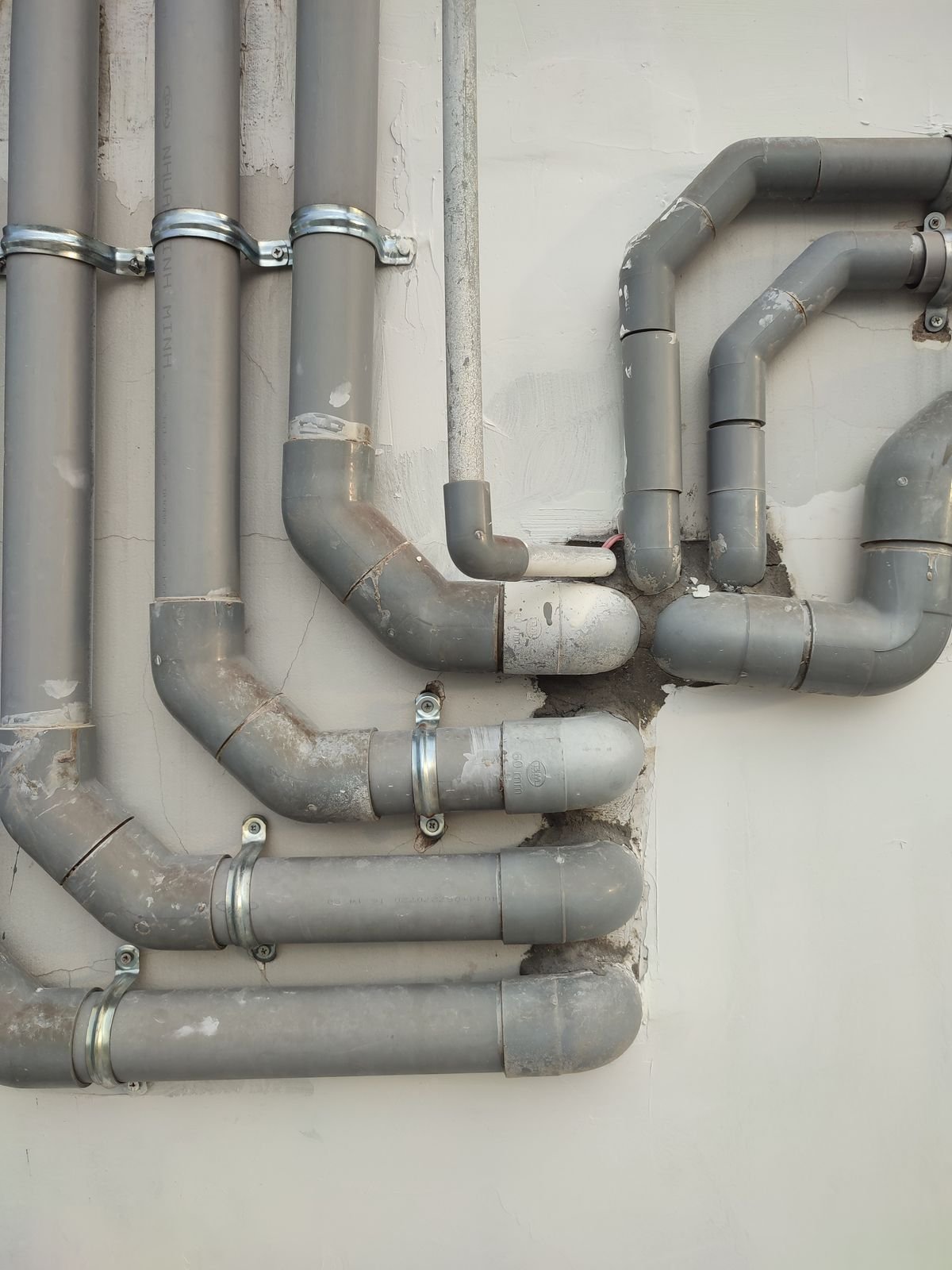
Signs a Home May Need Repiping
- Repeated leaks in different places. One leak is a repair. A pattern of leaks, in different lines, over a short period, is a pipe system reaching the end of its life — and spot repairs become the expensive way to buy the same outcome slowly.
- Chronically low or uneven pressure caused by corrosion and buildup narrowing the pipes from inside, not by a single fixable fault.
- Discolored water — rusty or brown water from multiple fixtures, especially first thing in the morning — indicating the pipes themselves are deteriorating.
- Pipe material or age known to be at end of life, confirmed by inspection rather than assumed from the home’s age alone.
Partial vs. Whole-Home
Not every repiping job is the whole house. Where deterioration is concentrated — one branch, one addition, the lines serving one side of the home — a partial repipe can solve the actual problem at a fraction of the scope. A company recommending whole-home work should be able to explain why the unaffected sections cannot stay, in terms of their observed condition. Ask. The answer, or the absence of one, tells you a lot.
What the Process Looks Like
A typical repipe replaces supply lines with modern piping (PEX and copper are the common choices, each with honest pros and cons a good plumber will walk through for your house), usually working through attics, crawl spaces, and minimal wall openings, with water restored at the end of each workday in most phased plans. Walls are opened only where access requires it, and patching expectations should be spelled out in the quote — who patches, and to what finish. Ask how many days the project is expected to take, whether you can stay in the home throughout (usually yes), and how the work is permitted and inspected. In North Carolina this work is performed under a license issued by the NC State Board of Examiners of Plumbing, Heating and Fire Sprinkler Contractors (P1 at this scale).
Tell us what you have been seeing: how many leaks, over how long, and what you know about your pipes. We will connect you with an independent local licensed company to evaluate — evaluation first, recommendation second, in that order.
Related: Leak Detection · Water Heater Repair & Replacement · Contact
Plumbing problems don’t fix themselves, and they cost less early.
Tell us what’s leaking, clogged, or cold — we’ll line up a licensed local plumber.
Onslow Plumbing Pros — Jacksonville and Onslow County, NC
Home · Emergency Plumbing · Water Heater · Drain Cleaning · Sewer Line · Leak Detection · Repiping · Water Heater Cost Guide · Contact
Onslow Plumbing Pros is an information and referral service owned by Branch and Vine Capital, LLC. We connect homeowners with independent local plumbing companies, and those companies perform all diagnosis, quoting, and plumbing work under their own licenses and insurance.